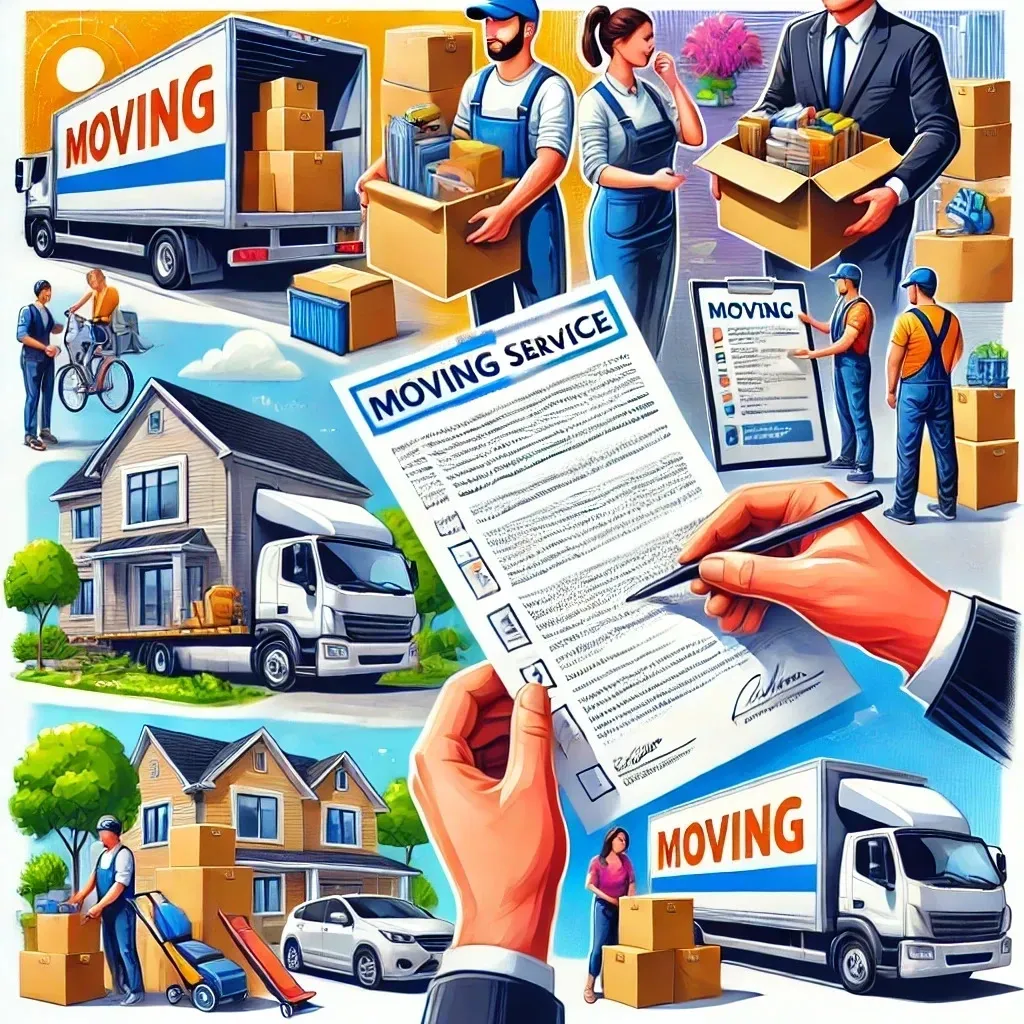







Planning a house shifting service can feel stressful, especially when you have to decide how to transport all your household goods safely. Most families hire packers and movers to handle packing, loading, and shifting.
Still, the type of carrier you choose, enclosed or open, also affects the safety, cost, and convenience of your relocation. Understanding the difference between the two options helps you make the best choice for your home.
What Is an Open Carrier?
An open carrier is the most commonly used type of truck for home relocation. It is an open-body vehicle where goods are loaded and covered with heavy tarpaulin sheets. This type of carrier is widely used because it is affordable, readily available, and suitable for everyday household items.
Most packing and moving services use open carriers for local as well as long-distance shifting. Open carriers work well for families with standard furniture, kitchen items, appliances, and other household goods. They are a practical option for short-distance relocations and cost-conscious customers.
What Is an Enclosed Carrier?
An enclosed carrier is a fully covered truck where your goods are completely protected from dust, rain, sunlight, and other environmental factors. It is used mainly for premium home shifting services, especially when fragile or expensive items need extra care.
Many families prefer enclosed carriers when relocating long distances or during adverse weather conditions. Professional packers and movers load all items inside the closed container, ensuring that furniture, decor, and other delicate belongings remain secure throughout the journey.
Safety Differences Between the Two Carriers
The main difference between open and enclosed carriers is the level of safety they provide. Open carriers offer standard protection, as goods are secured with ropes and tarpaulin covers, but they remain slightly exposed to dust, rain, or sunlight.
Enclosed carriers, on the other hand, provide full coverage, keeping all household items safe from external elements.
For families moving fragile items like glass furniture, mirrors, electronics, and expensive décor, an enclosed carrier is the more reliable choice. However, for basic furniture and daily-use items, an open carrier is safe enough for most relocations.
Cost Considerations
Cost is an essential factor in choosing a carrier. Open carriers are generally more affordable, which is why many families opt for them. They are simple trucks, widely available, and suitable for most types of household goods.
Enclosed carriers cost more due to the extra safety they provide and their limited availability. If your household contains high-value items or fragile furniture, the additional cost of an enclosed carrier is justified. For budget-friendly relocation with regular household items, an open carrier is usually sufficient.
Which Carrier Works Best for Short-Distance Shifting?
For short-distance or local relocations, open carriers are usually the best option. They are cost-effective, readily available, and fast, making them ideal for intra-city house shifting. Most packers and movers complete local shifts in a few hours, and open carriers provide adequate protection for furniture, appliances, and other household goods. Enclosed carriers are generally not necessary for short moves unless there are delicate or expensive items involved.
Which Carrier Is Better for Long-Distance Relocation?
For long-distance relocation, enclosed carriers are often the safer choice. Traveling long hours or across states exposes household items to different weather conditions, dust, and road vibrations. Enclosed carriers protect belongings throughout the journey, ensuring that fragile and valuable items remain intact.
Many families moving interstate prefer enclosed carriers to reduce the risk of damage during transport. In contrast, others still use open carriers with proper packing if they are shifting standard household goods.
Impact of Weather Conditions
WWeather conditions play an essential role in deciding the right carrier. During normal weather, open carriers are safe and reliable. However, if you are shifting during the monsoon, extreme heat, or dusty conditions, an enclosed carrier is a better choice. It keeps all items fully covered, preventing any weather-related damage. Packers and movers can guide you on the best option based on your relocation schedule and local weather conditions.
House Size and Carrier Selection
The size of your house also affects the choice of carrier. For 1BHK or 2BHK homes with basic furniture and appliances, an open carrier is usually sufficient. For larger homes, such as 3BHK, 4BHK, or villas with expensive furniture, delicate décor, or fragile items, an enclosed carrier is safer. The type and quantity of household goods are the main factors in deciding which carrier will provide better protection during the shifting process.
How Packers and Movers Assist in Choosing the Right Carrier?
Professional packing and moving services help you choose the best carrier for your needs. They assess your household items, distance of relocation, weather, and budget to suggest whether an open or enclosed carrier is more suitable.
Packers and movers provide expert packing, safe loading, and secure transportation, ensuring that all items reach your new home without damage. Their experience in house shifting service makes the process smooth, stress-free, and reliable.
Conclusion
Choosing between an enclosed carrier and an open carrier depends on the safety requirements, distance, household items, and budget. Open carriers are affordable, practical, and suitable for most standard relocations, while enclosed carriers provide extra protection for fragile or expensive items and long-distance moves.
With professional packers and movers handling your relocation, both options can ensure a safe, smooth, and stress-free house shifting experience. Understanding your needs and communicating them to your movers will help you select the best carrier for your home.